Hello aspiring Ethical hackers. In this article, you will learn what is password cracking and various types of password cracking techniques. When beginners first hear the term password cracking, it often sounds illegal or malicious. In reality, password cracking is a concept, not a crime by itself. For ethical hackers, understanding password cracking is about learning how attackers exploit weak authentication so those weaknesses can be identified and fixed, ofcourse with permission.
New to Ethical Hacking?
Start your journey with The Beginner Ethical Hacker Starter Kit (2026 Edition).
Inside the free guide, you’ll learn:.
- Ethical hacking fundamentals
- Beginner cybersecurity roadmap
- Essential hacking tools
- Common vulnerabilities explained
This article explains password cracking for beginners, why it still works and what ethical hackers should focus on when learning this topic.

What Is Password Cracking?
Password cracking is the process of attempting to recover passwords from stored authentication data, most commonly password hashes. As you studied in our blogpost on cryptography, modern systems do not store passwords in plain text. Instead, they store a hash, a one-way mathematical representation of the password.
As hashes cannot usually be reversed, attackers attempt to guess passwords, hash those guesses and compare them to the stored value. If the hashes match, the password has effectively been cracked. Ethical hackers study this process to evaluate whether password policies and storage mechanisms are strong enough.
Why Password Cracking Still Works?
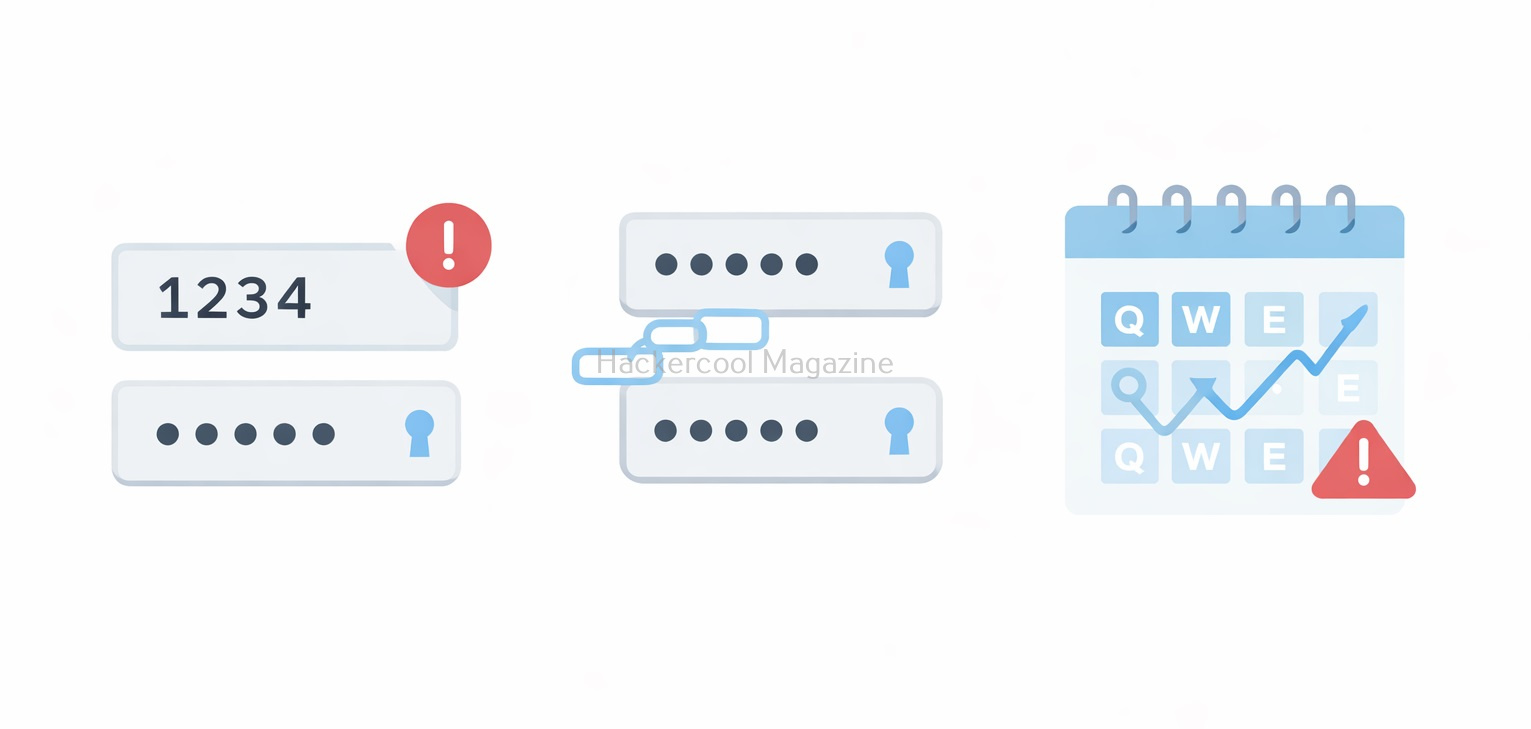
Despite years of security awareness, password cracking remains effective for one simple reason: people choosing weak passwords. Common contributing factors include:
- Short or predictable passwords
- Reusing the same password across multiple services
- Poor password storage practices by applications
- Legacy systems using outdated hashing methods
- Lack of multi-factor authentication
Attackers do not need advanced skills when these weaknesses are widespread.
Common Password Cracking Concepts
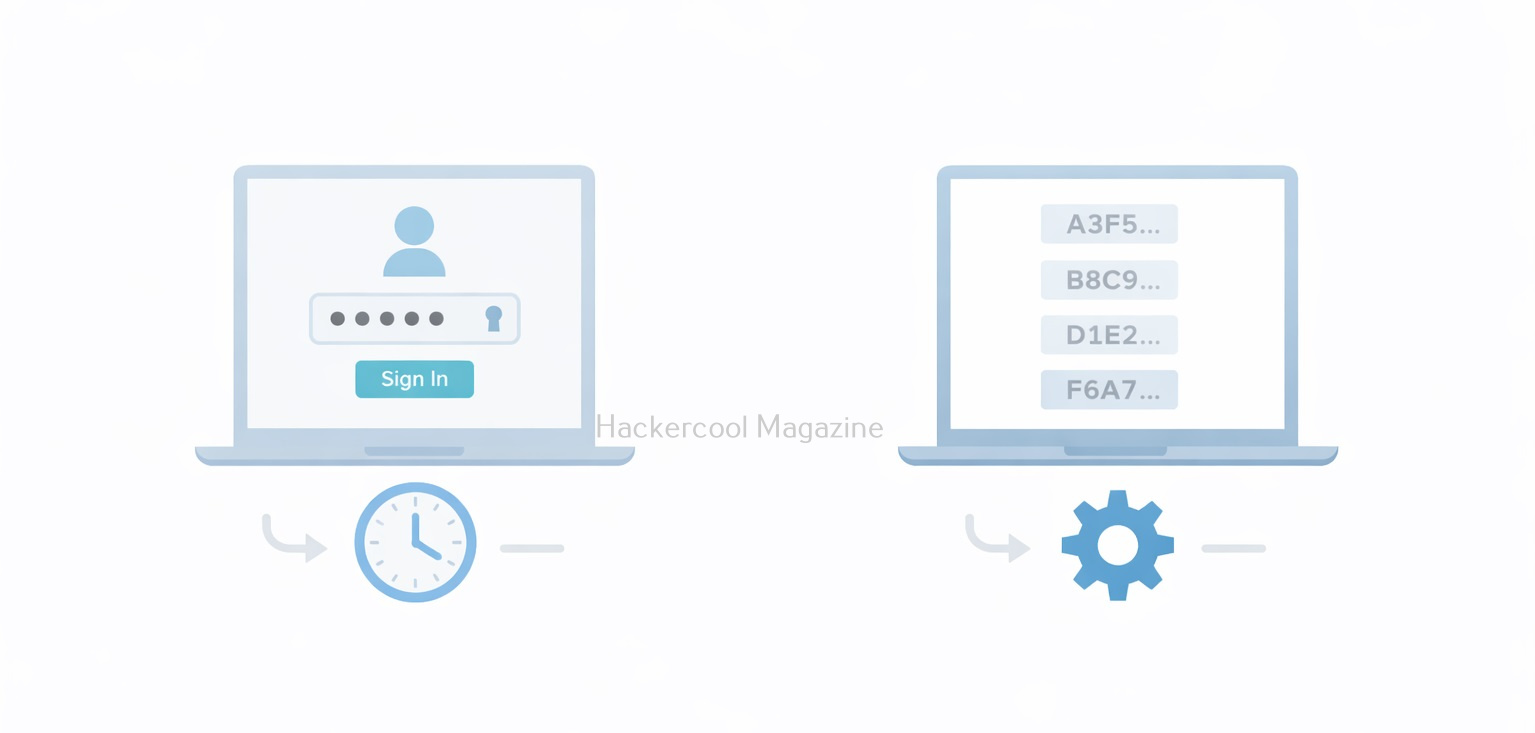
There are two types of password cracking attacks: Online and Offline.
Online attacks:
In this type of attack, passwords are guessed through login systems and are limited by lockouts.
Offline attacks:
In this type of attack, attackers obtain password databases and test guesses without alerts.
Common Password Cracking Techniques
There are various password cracking techniques. They are,
1. Shoulder Surfing
2. Password Guessing
3. Dictionary Attack
4. Brute Force Attack
5. Rainbow Table Attack
6. Phishing
7. Sniffing
8. Malware

Let’s learn each of these attacks in detail.
1. Shoulder Surfing:
Shoulder Surfing is one of the easiest password cracking techniques that doesn’t require use of any technology. In shoulder surfing, the hacker stands behind (or sits behind, position is not really important) the victim when he is entering his credentials and captures the credentials by simple observation. As you can see, this is the easiest way to capture credentials of the target.
2. Password Guessing:
Another password cracking technique that doesn’t require any technology. In this technique, hacker tries to guess the password of the victim using his own mind. You may be surprised but this technique yielded me results in at least 20% of the total attempts made.
Want to Learn Ethical Hacking Step-by-Step?
If you’re serious about learning cybersecurity, a structured roadmap makes the journey much easier.
Download The Beginner Ethical Hacker Starter Kit (2026 Edition) and discover:
✔ The ethical hacking learning path
✔ Beginner-friendly security concepts
✔ Essential tools ethical hackers use
✔ The most common vulnerabilities explained
3. Dictionary attack:
In dictionary attack, a hacker uses a dictionary to crack passwords. A dictionary or wordlist has a huge list of words (possible passwords), each one of which is tried as a password. In Kali Linux, the dictionary or wordlists are present in /usr/share/dirb/wordlists directory.
4. Brute Force attack:
In brute force attack, hackers use every possible criteria or password to crack the credentials. A brute force attack may be slow but it will eventually crack the password. A brute force attack works by calculating the hash function of every password string it has and compares it with one on the target system or victim.
5. Rainbow Table attack:
To understand Rainbow Table Attack, you need to first understand what is a Rainbow Table. A Rainbow Table is a database that contains huge list of plaintext passwords and their precompiled hashes. Unlike a Brute Force attack, Rainbow table attack bypasses calculation of a hash for every password string as it already has a pre compiled list of hashes.
6.Phishing:
Phishing is one of the easiest methods to crack passwords. You have already learnt about phishing in our previous blogposts.
7. Sniffing:
Sniffing or Man In The Middle (MITM) attack can also be used to crack passwords while they are on transit in a network. Learn more about sniffing here.
8. Malware:
Malware is another way hackers capture credentials of their victims. Once hackers gain initial access to a system, they install malware which allows hackers to not only perform further malicious actions but also capture user credentials from the target system.
How Password Cracking Fits Into Real-world Ethical Hacking?
Password cracking is rarely the first step in an attack. It usually follows another compromise, such as:
- A data breach
- Phishing
- Malware infection
- Misconfigured storage exposure
Once attackers obtain hashed passwords, cracking becomes a way to expand access, escalate privileges or move laterally. Ethical hackers must see password cracking as part of a larger attack chain, not an isolated skill.
Defensive Lessons from Password Cracking
Studying password cracking teaches ethical hackers how to prevent it. To keep passwords secure, some key defensive practices include:
- Enforcing long, unique passwords
- Using modern, slow hashing algorithms with salt
- Implementing multi-factor authentication
- Limiting password reuse across systems
- Monitoring for credential abuse
Ethical hackers are expected to provide defensive recommendations, not just findings.
Conclusion
Password cracking is not about breaking into systems. It’s about revealing broken security assumptions. For ethical hacking beginners, it is one of the best examples of why cybersecurity starts with strong fundamentals. If passwords are weak, everything built on top of them becomes fragile. Ethical hackers shouldn’t crack passwords to prove skill, they should study password cracking to help organizations stop attackers before real damage occurs.
Start Your Ethical Hacking Journey Today
Learning cybersecurity can feel overwhelming at first. The best way to start is with a clear roadmap and the right resources.
Download The Beginner Ethical Hacker Starter Kit (2026 Edition) and get instant access to:
✔ Ethical hacking fundamentals
✔ A beginner cybersecurity learning roadmap
✔ Essential hacking tools every beginner should know
✔ Common vulnerabilities explained simply